Ten Common Myths
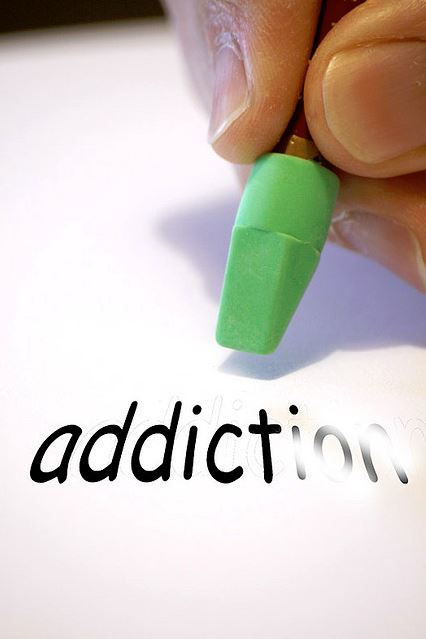 I have found that people who do not know much about alcohol and other drug addictions, often buy into common myths and stereotypes about addiction and addicts. It is important to replace mistaken assumptions and judgments about addiction, so that you can approach those afflicted with the illness, with compassion and understanding. This is also very important when working with the families of addicts as they too can have this mistaken concept of what an addict is like. This in turn can keep the family denial in place as often they can not believe their loved one can be an addict as they do not fit the stereotype. Many people mistakenly believe that if you call addiction a “disease” that somehow it exempts the alcoholic or addict from responsibility of their behaviour. Below are some myths in regular print. The truth is in italics.
1. Addiction is nothing but a voluntary behaviour and a habit.
- The initial behaviour of drinking or taking the drug is voluntary, but once addiction occurs, thedrinking/using behavior is not voluntary.
- A habit is an established pattern of behaviour that develops over time with repeated behaviour. It is not compulsive.
2. Addicts are losers and skid-row bums.
- Most alcoholics/addicts are employed.
- People from all walks of life can become alcoholics/addicts.
- Addiction is no respecter of persons
3. Addicts can stop on their own if they just want to.
- A desire to quit using is necessary but usually insufficient
4. Alcoholism is a self-inflicted moral problem.
- No one chooses to be alcoholic or otherwise addicted.
- Addiction is brain disease, not a moral dilemma.
5. Alcoholics can have control over their drinking if they use willpower.
- Once a drinker becomes alcoholic they are merely chasing the illusion of control, because they are out of control. Willpower implies that the addict still has consistent control.
6. Alcoholism is just a symptom of a mental health disorder.
- Although some alcoholics have co-occurring mental health problems, alcoholism is a primary disease, not a symptom of something else. Many people hopefully believe that if you find the “something else” and fix it, that the drinking will disappear. This is not the case.
7. You can’t be an alcoholic if you only drink beer, or on the weekends.
- Alcoholism is not defined by what you drink or when you drink it. It is defined by what happens when you drink.
8. You can’t be alcoholic if you don’t drink daily and don’t feel like you have to have a drink.
- Again, frequency of drinking does not define alcoholism. Nor does frequency of cravings or the compulsion
9. You can’t be alcoholic if you can stop drinking.
- Most alcoholics are able to exhibit some temporary indicators of control over their drinking from time to time. This fact is one of the biggest sticking points in an alcoholic’s denial about being alcoholic. Loss of control is inconsistent loss of control until late progression
10. The “disease concept” of alcoholism has been discredited.
- Nothing could be further from the truth. The last ten years has seen a groundswell of sophisticated research in genetics and brain chemistry research that not only affirms the “disease concept” but expands it tremendously.
If you or a loved one is suffering not only from an addiction but also the stigma that goes with it contact victoriaabadi66@gmail.com or go to the contact me page.
Leave a Reply